


Production
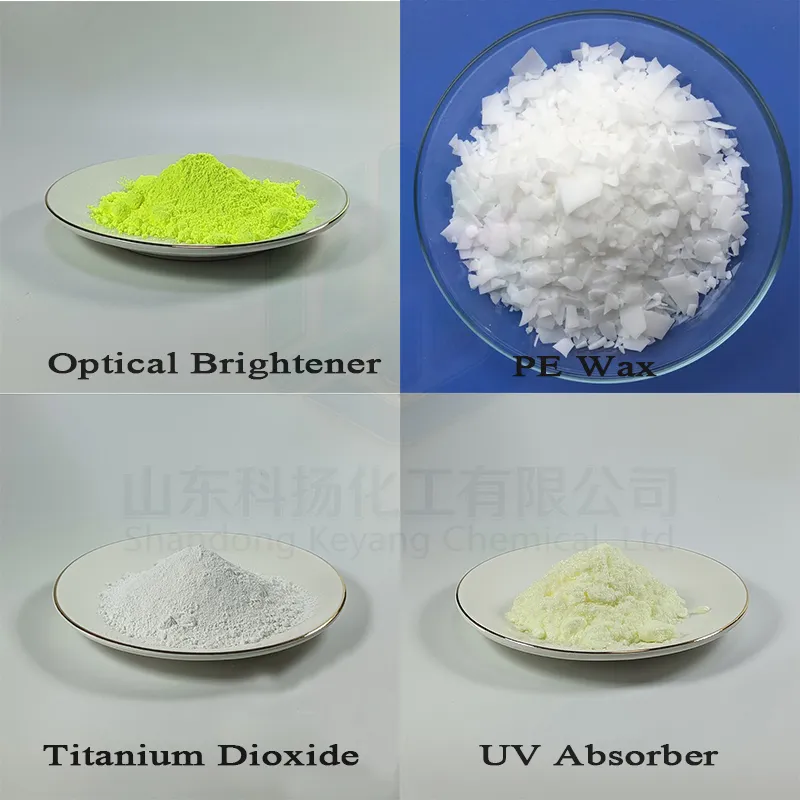
-
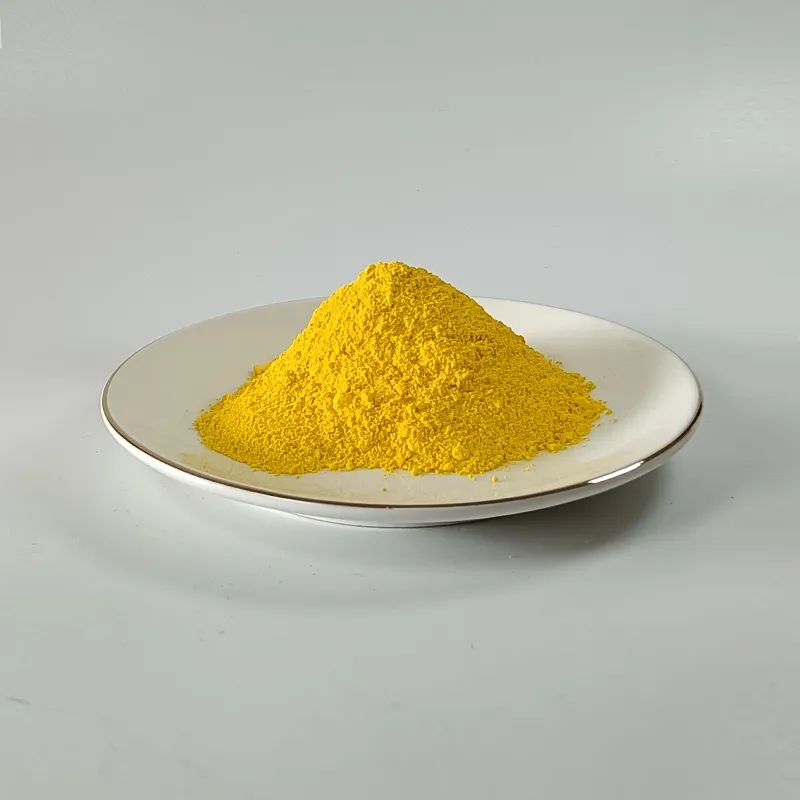
Pigment yellow 12
-
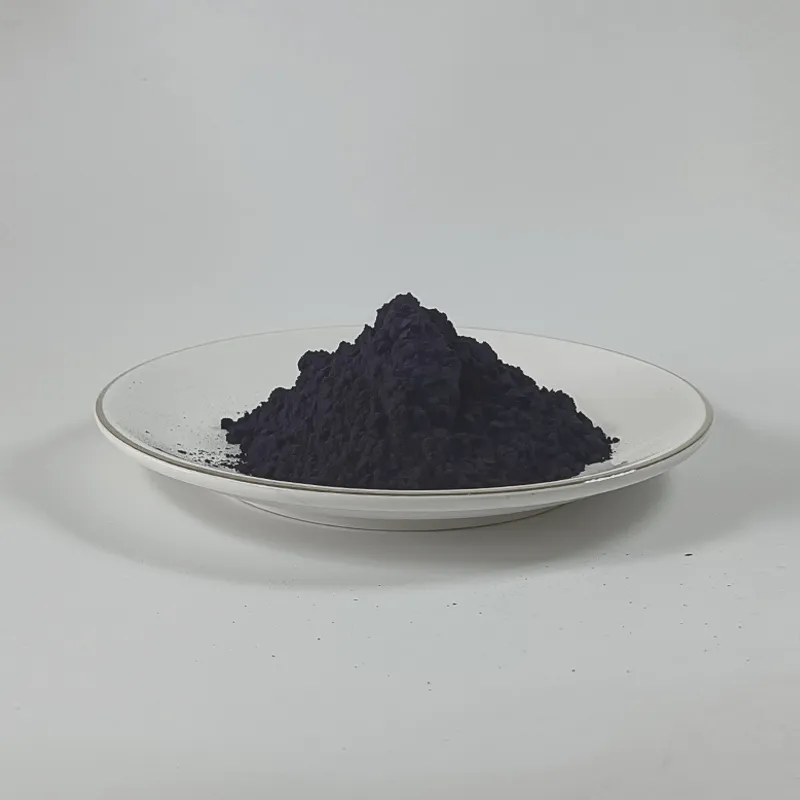
Solvent Black 29
-
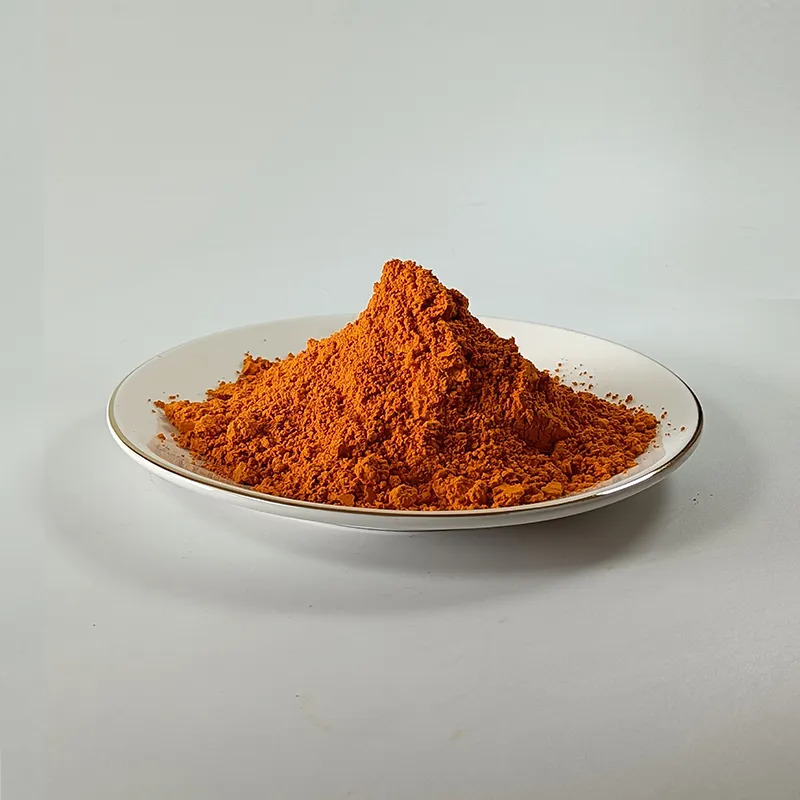
Solvent Yellow 114
-
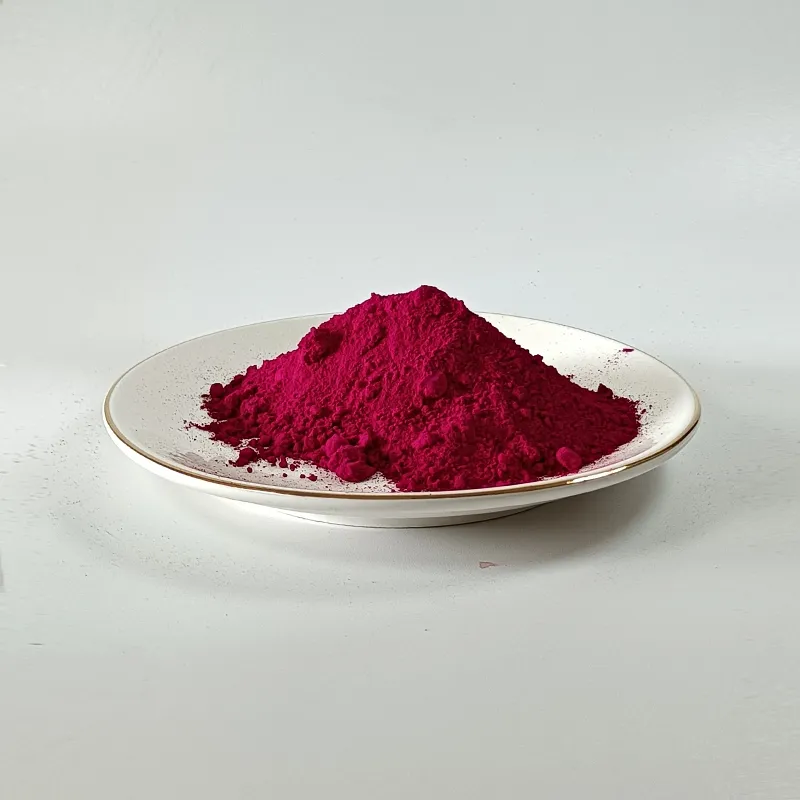
Pigment red 122
-
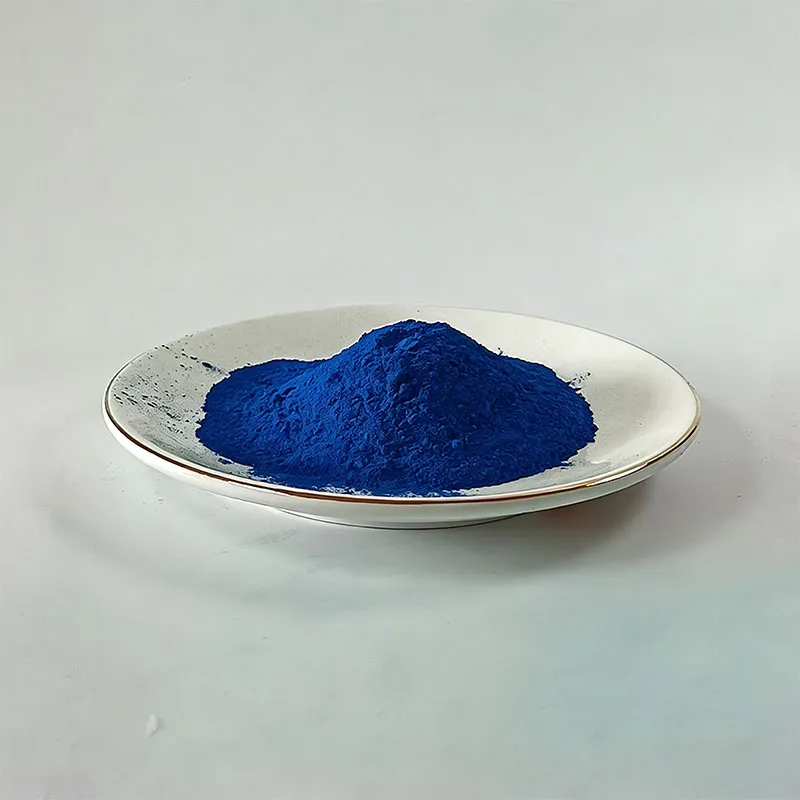
Phthalocyanine blue 15-1
-
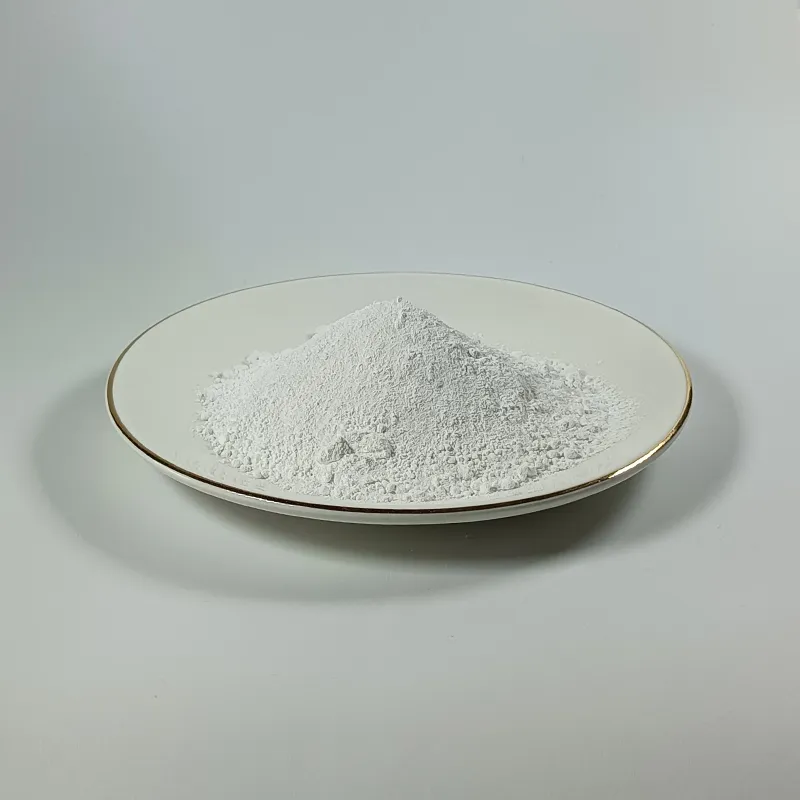
Sodium Alpha-olefin Sulfonate
-
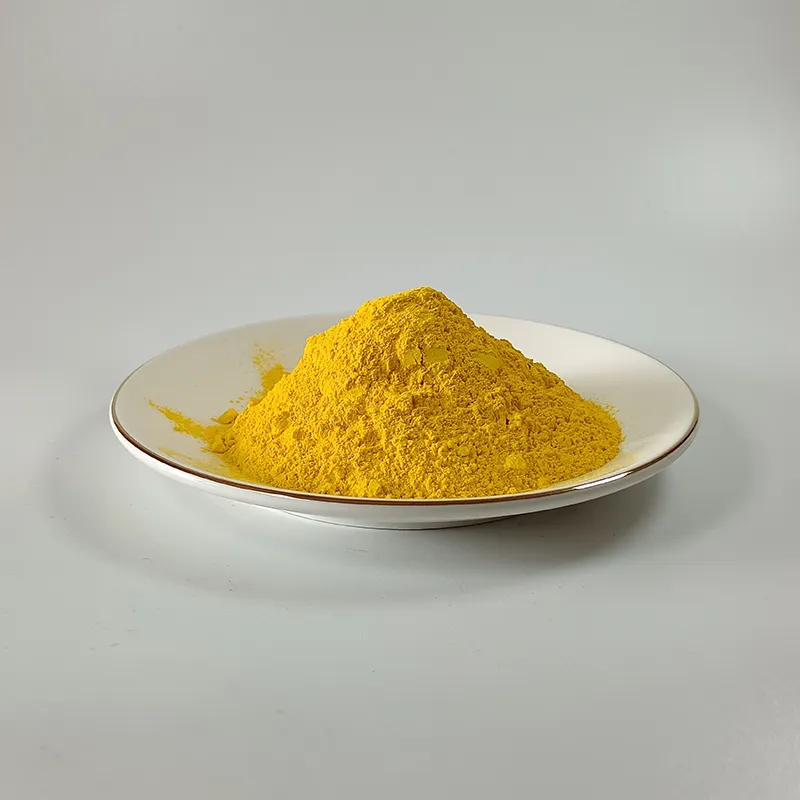
Pigment yellow 74
-
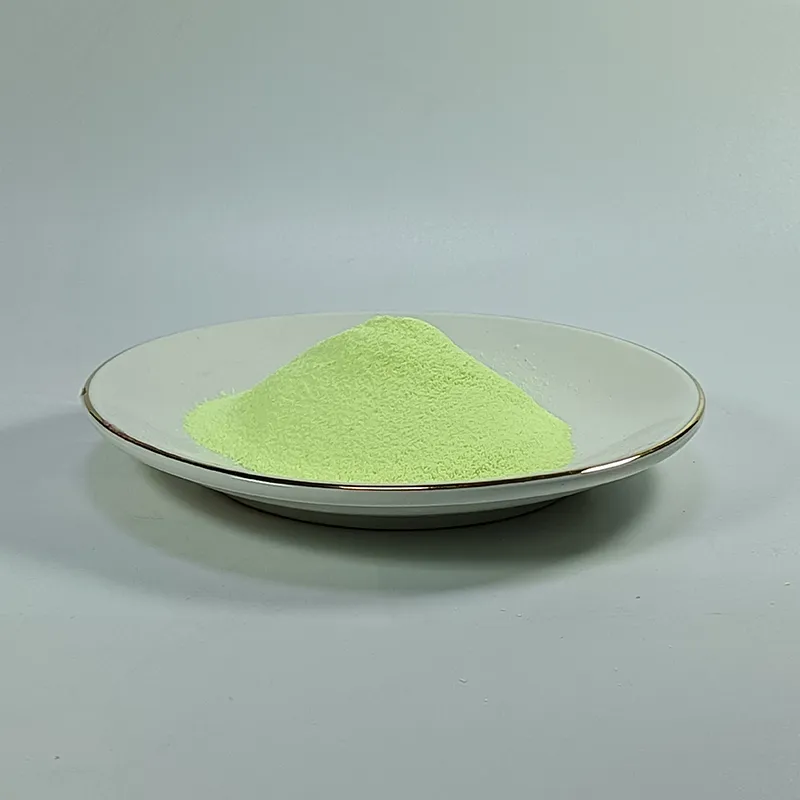
Optical Brightener CBS-X
-
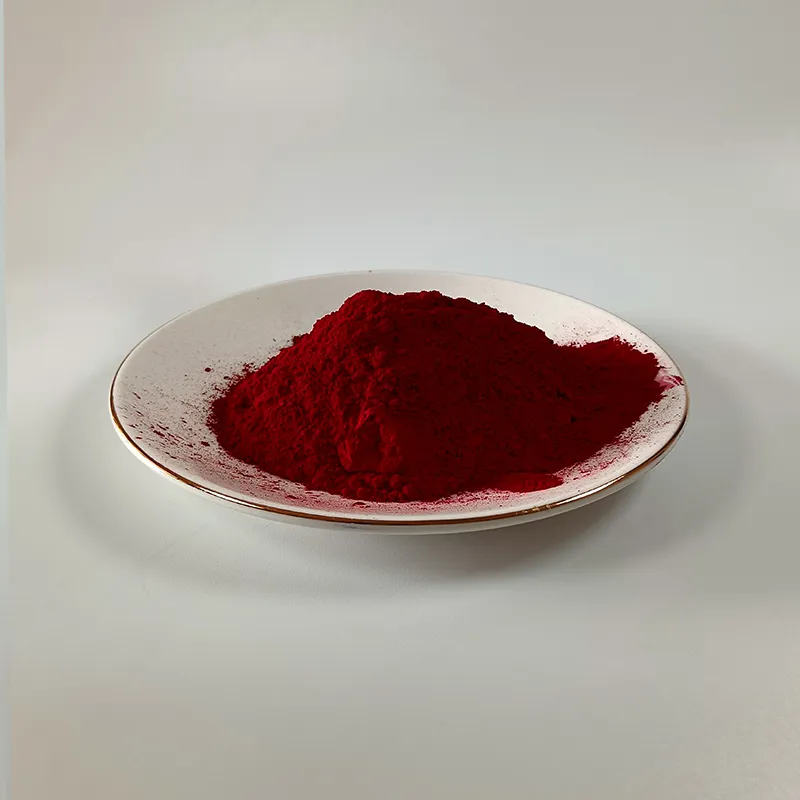
Pigment red 112
-
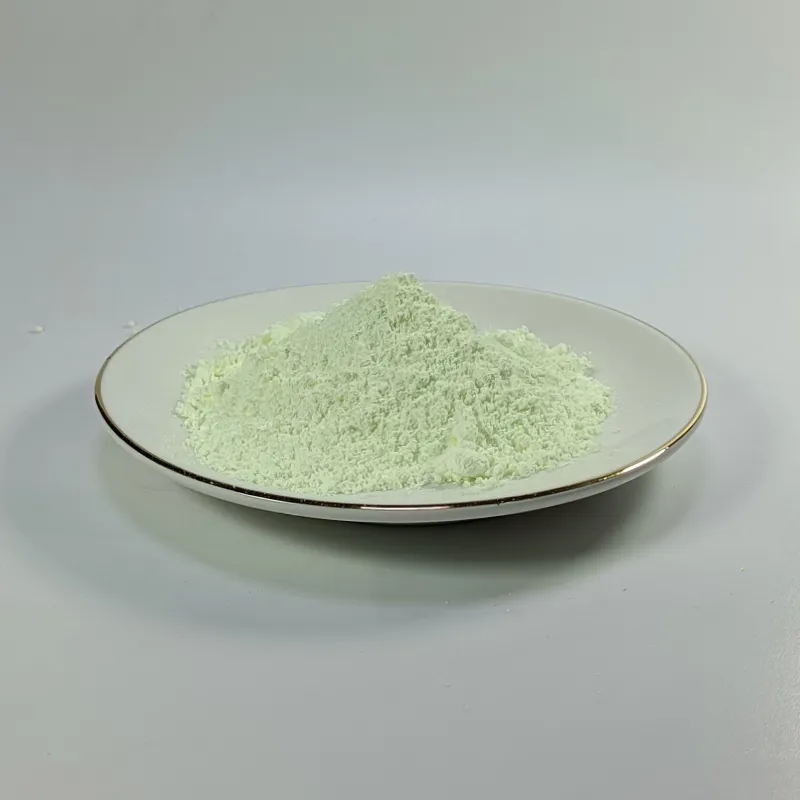
Optical Brightener OB
-
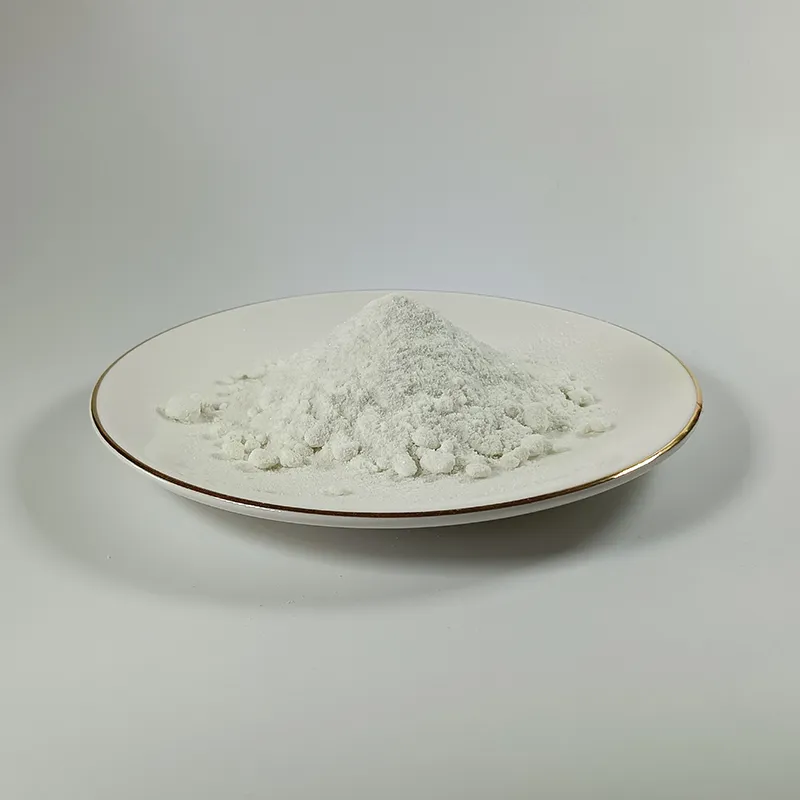
Optical Brightener SWN
-
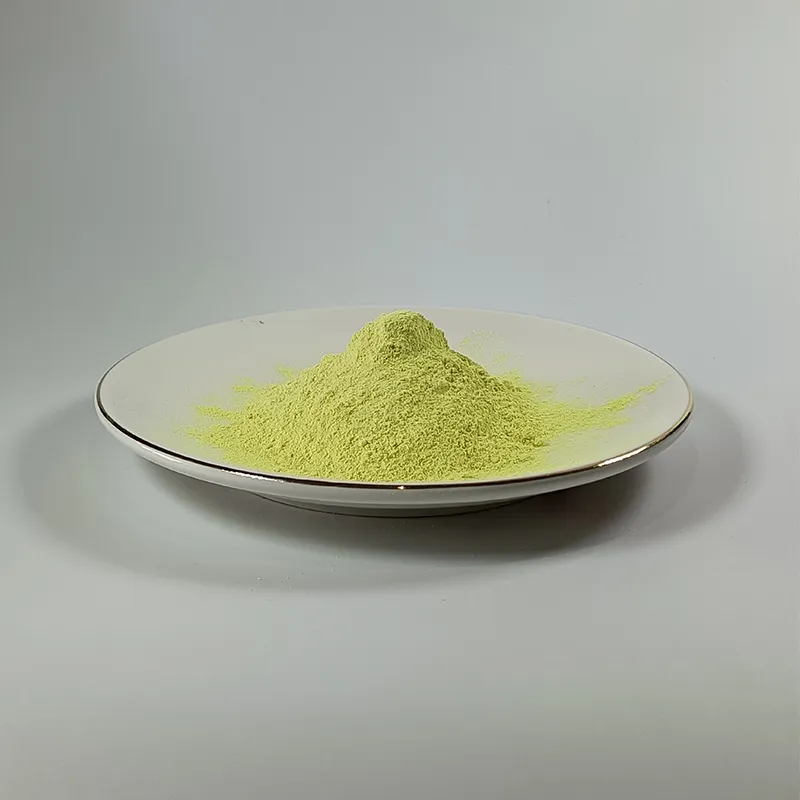
Optical Brightener BA
-
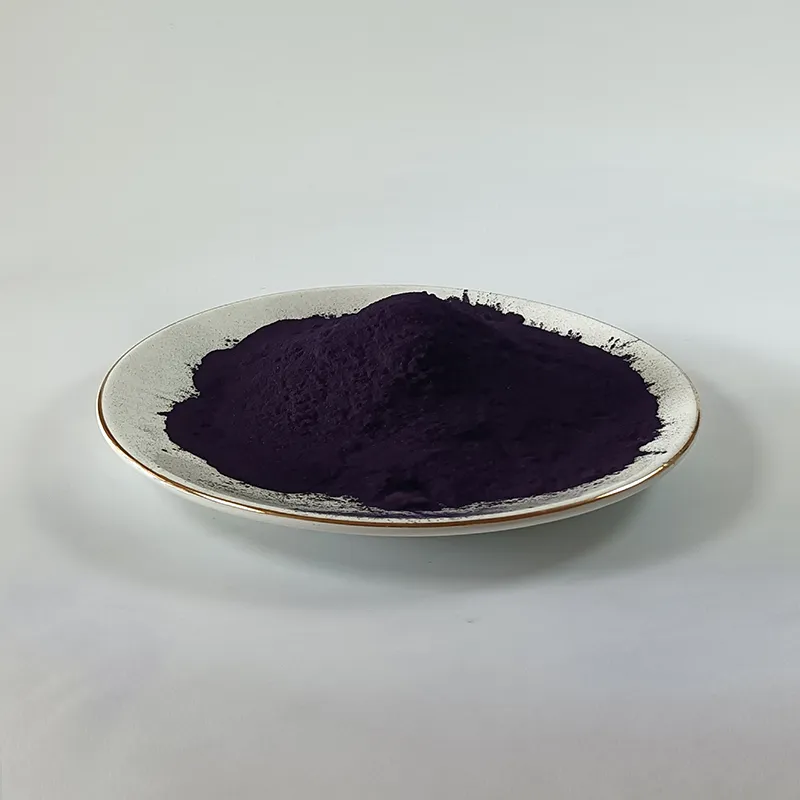
Pigment blue B12
-
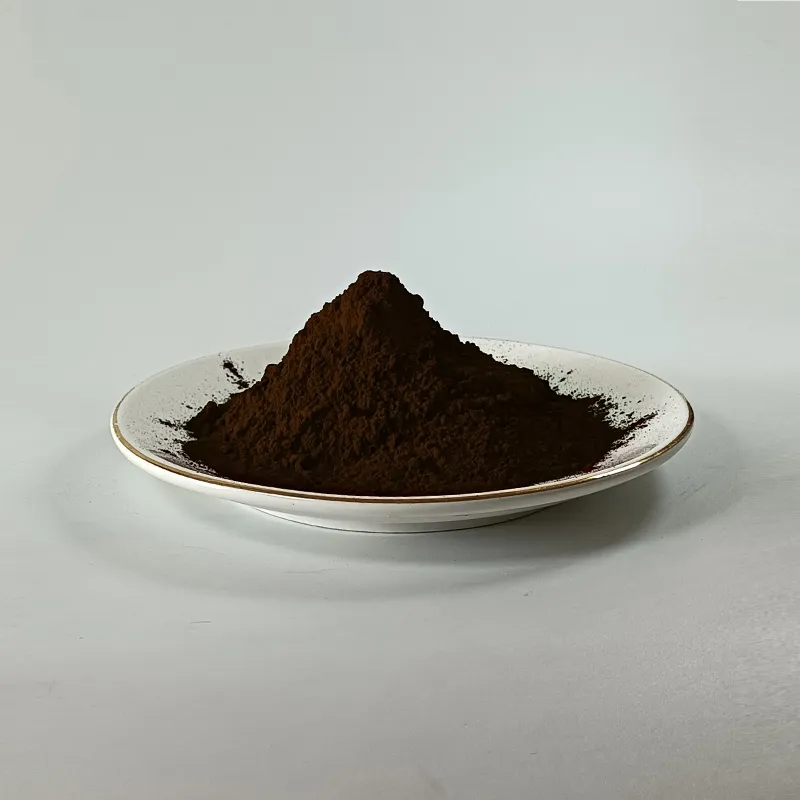
Solvent Red 195
-
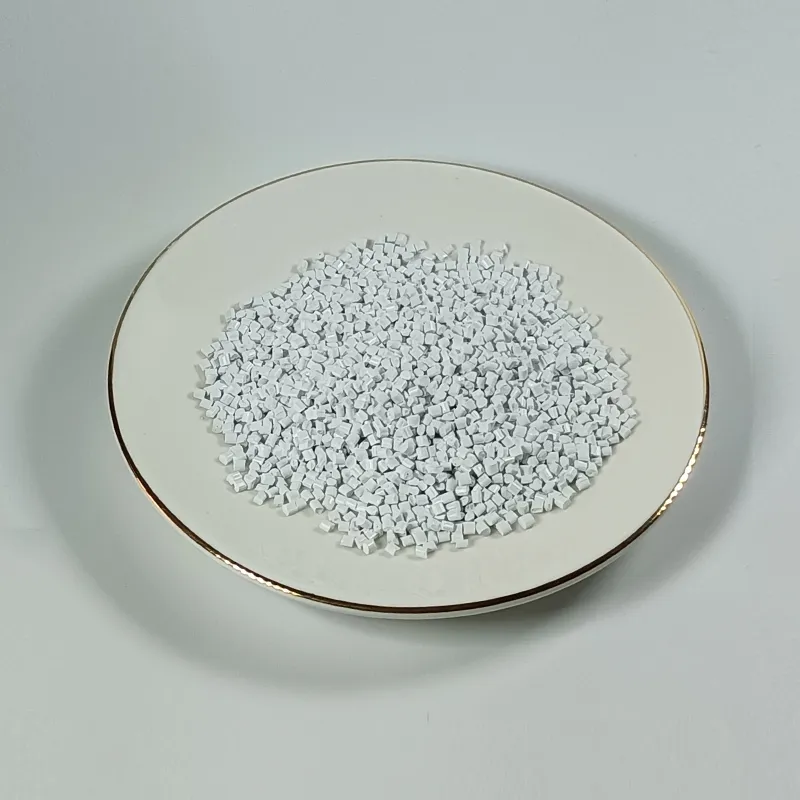
Titanium Dioxide Masterbatch
-
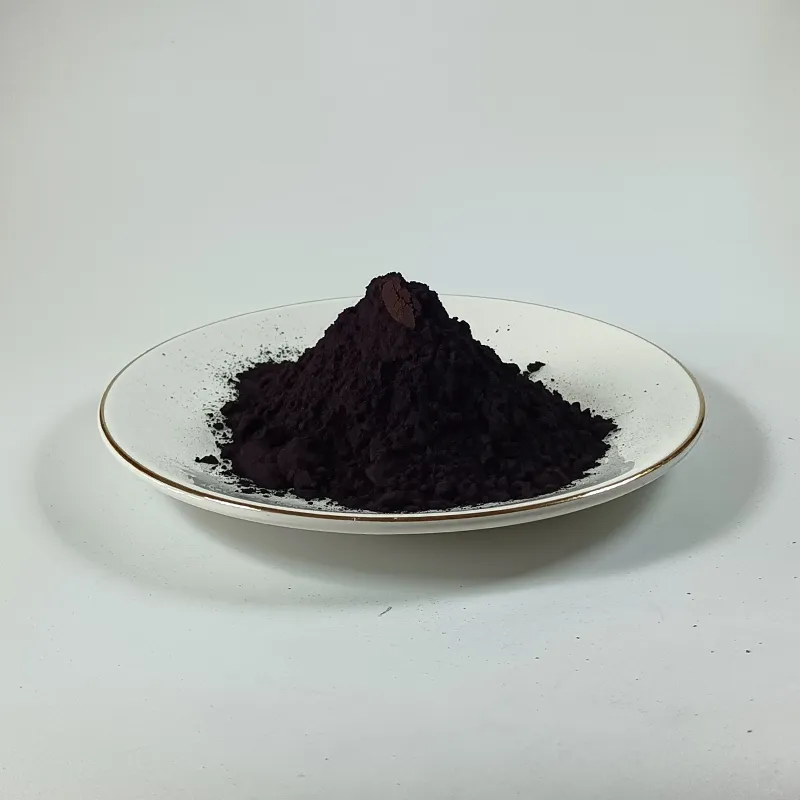
Solvent Violet 13
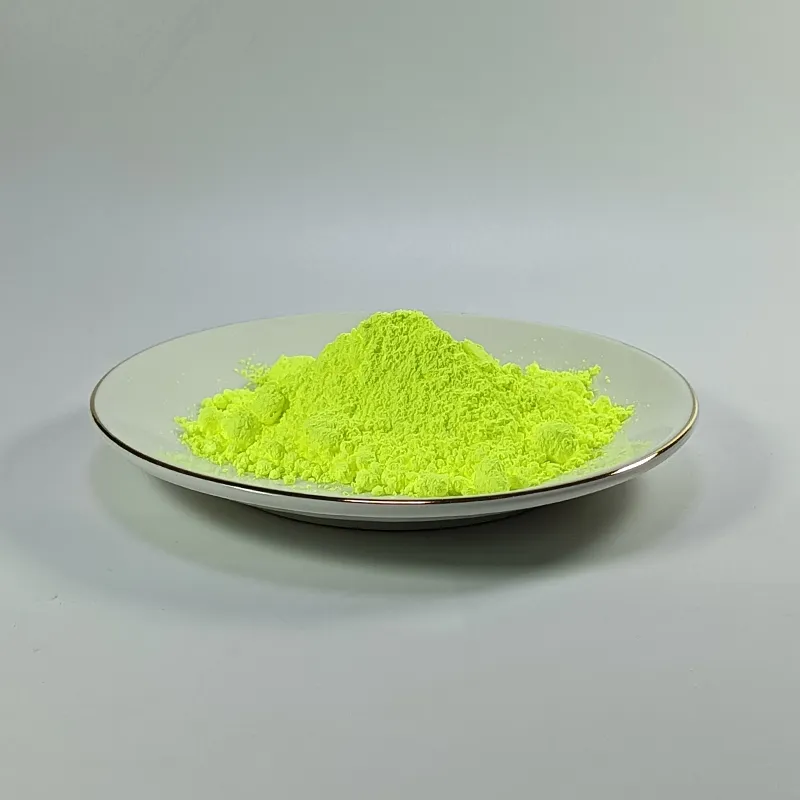
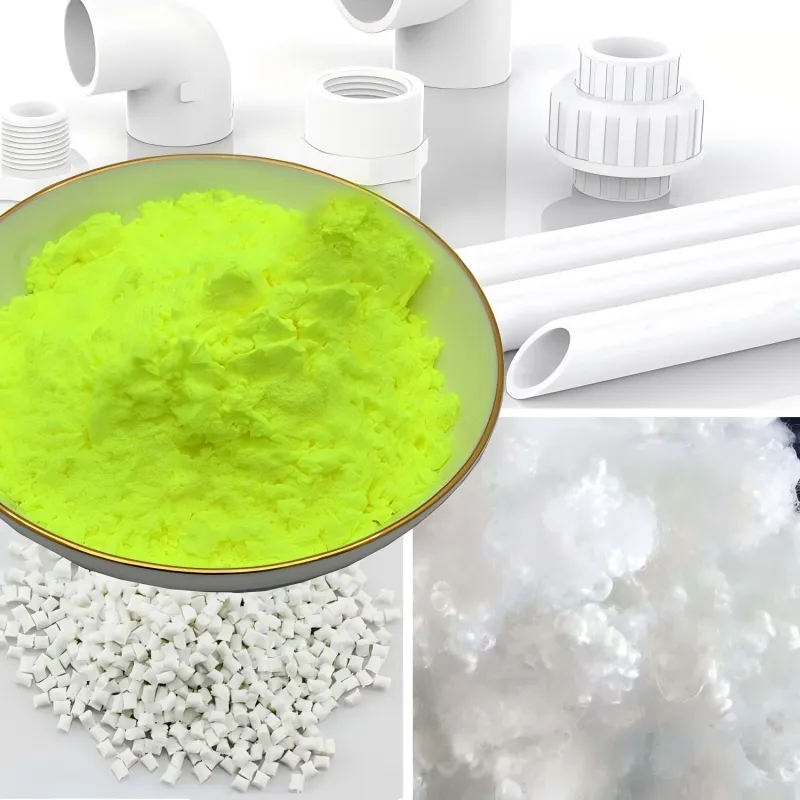
Optical Brightener OB-1
Product Name: Optical Brightener OB-1 / Fluorescent Brightener 393
Chemical Name: 2,2′-(1,2-Ethenediyldi-4,1-phenylene)bisbenzoxazole
Color Index: C.I. 393
CAS: 1533-45-5
Molecular Formula: C₂₈H₁₈N₂O₂
Formula Weight: 414.45 g/mol
Synonyms: Fluorescent Brightener 393; OB-1; 2,2′-(4,4′-Diphenylvinyl)dibenzoxazole; Fluorescent Whitening Agent OB-1; Optical Brightening Agent OB-1; Bisbenzoxazole Derivative; FBA 393
Application:
Polyester Fibers, Nylon Fibers, Polypropylene Fibers, Engineering Plastics (ABS, PS, HIPS, PC, PA, PET, PBT), PVC, PP, PE, EVA, Masterbatch, Clear Lacquers, Paints, Printing Inks, Coatings, Plastic Recycling, Synthetic Leather, Photoelectric Communication Materials
Description
marker
1. Product Description
Achieve Unparalleled Whiteness with Optical Brightener OB-1 – The Premium High-Temperature Fluorescent Brightener.
Optical Brightener OB-1, internationally designated as Fluorescent Brightener 393 (C.I. 393), represents the pinnacle of bisbenzoxazole-based optical brightener chemistry . This sophisticated compound is specifically engineered for applications requiring exceptional thermal stability and brilliant whitening performance under demanding processing conditions. Unlike conventional optical brighteners that degrade at elevated temperatures, OB-1 maintains its integrity throughout high-temperature polymer processing, making it the definitive choice for engineering plastics and synthetic fiber applications.
At the molecular level, OB-1 functions through a sophisticated photophysical mechanism. The bisbenzoxazole structure acts as a conjugated chromophore system that absorbs invisible ultraviolet radiation in the 340-380 nm range and re-emits it as visible blue-violet light (approximately 400-450 nm) . This fluorescence phenomenon effectively masks the inherent yellowness of polymer substrates while simultaneously imparting a brilliant, "whiter-than-white" appearance that enhances the perceived brightness and aesthetic quality of the final product.
What truly distinguishes Optical Brightener OB-1 is its extraordinary combination of thermal stability and polymer compatibility. With a melting point of 355-360°C and excellent stability during melt processing, OB-1 withstands the rigorous conditions of injection molding, extrusion, and fiber spinning without decomposition or sublimation . Its hydrophobic molecular structure ensures excellent dispersion and solubility within the polymer matrix, creating a permanent brightening effect that is integral to the material itself—not merely a surface treatment .
Our Optical Brightener OB-1 is manufactured under strict quality controls, offering ≥99% purity with consistent batch-to-batch performance. The product is available in two distinct crystalline forms—greenish-yellow and yellowish-green—each offering slightly different shade characteristics (blue vs. blue-violet fluorescence) to accommodate diverse aesthetic requirements . This versatility, combined with its exceptional performance profile, has established OB-1 as the industry benchmark for high-value plastic and fiber whitening applications.
2.Product Specifications (Technical Data Sheet)
| Property | Specification | Insight |
| Product Name | Optical Brightener OB-1 (Fluorescent Brightener 393) | Premium bisbenzoxazole brightener for high-temperature applications . |
| Appearance | Bright Yellowish-Green to Light Green Uniform Powder | Fine, free-flowing powder; available in green and yellow crystalline forms . |
| CAS No. | 1533-45-5 | Verified chemical registry number . |
| EINECS/EC No. | 216-245-3 | Listed in European inventory . |
| Solubility | Insoluble in water; soluble in organic solvents (chlorobenzene, dichlorobenzene, DMSO, DMF, toluene) | Hydrophobic nature ensures excellent polymer compatibility . |
| Style | Bisbenzoxazole / Fluorescent Whitening Agent (FBA) | Non-ionic, heat-stable brightener for polymers and fibers. |
| Tinting Strength | High | Exceptional whitening efficacy with minimal dosage . |
| Purity | ≥ 98.5% - 99.5% (HPLC) | High purity ensures consistent performance and minimal impurities . |
| Melting Point | 355-360°C (decomposes) | Exceptionally high thermal stability for high-temperature processing . |
| Fluorescence λmax | 400-450 nm (blue to blue-violet emission) | Characteristic blue-violet fluorescence for optimal whitening effect . |
| UV Absorption Range | 340-380 nm | Efficient absorption of near-UV radiation . |
| Volatility | Low | Minimal sublimation during processing; non-migrating in end products . |
| pH (1% solution) | pH > 7 (yellow form) / pH < 7 (green form) | Different crystalline forms offer distinct pH characteristics . |
| Packing | 25 kg fiber drums with double PE inner liners; 500 kg jumbo bags; custom sizes available | Secure, moisture-proof packaging to maintain product integrity . |
| Storage Conditions | Store in cool, dry place; protect from direct sunlight; keep containers tightly closed | Stable for extended periods under proper storage conditions . |
| Application | Polyester fibers, Nylon fibers, PP fibers, Engineering plastics (ABS, PS, PC, PA, PET), PVC, PE, EVA, Masterbatch, Coatings, Inks | Versatile across multiple industries |
3. Product Application (Industry Usage Guide)
Synthetic Fibers (Polyester, Nylon, Polypropylene):
Optical Brightener OB-1 is the industry-standard whitening agent for man-made fibers, offering permanent brightening effects that are incorporated directly into the fiber during manufacturing . Application methods include:
Polyester Fibers (PET): Applied during polymerization or via masterbatch addition; dosage 75-300 grams per 1000 kg of substrate. OB-1 effectively masks the inherent yellowish cast of polyester and imparts brilliant whiteness with excellent lightfastness .
Polyester-Cotton Blends: Provides exceptional whitening on blended fabrics where the brightener migrates primarily to the polyester component, creating a harmonious overall whiteness .
Nylon Fibers (Polyamide): Used during polymerization or as a spinning additive; dosage 75-200 grams per 1000 kg of substrate. OB-1 offers superior heat stability for nylon processing temperatures .
Polypropylene Fibers (PP): Effective for both fiber and non-woven applications with good thermal stability and compatibility .
Engineering Plastics & Thermoplastics:
OB-1's exceptional thermal stability (melting point >350°C) makes it the preferred brightener for high-temperature engineering plastics that require melt processing at elevated temperatures.
Masterbatch & Color Concentrates:
Optical Brightener OB-1 is highly suitable for incorporation into masterbatch formulations. Its excellent compatibility with carrier resins and thermal stability during compounding ensures uniform distribution and consistent whitening performance. Available in both green and yellow crystalline forms to meet specific shade requirements .
Plastic Recycling:
OB-1 demonstrates exceptional value in recycling applications. When added to recycled polyester waste materials, bottle flakes, and regrind, the brightener effectively restores whiteness and improves the aesthetic quality of recycled polymers, often achieving whiteness levels comparable to virgin materials . This application is particularly valuable for closed-loop recycling initiatives and sustainable manufacturing practices.
Dosage Recommendations:
Transparent Applications: 0.0001-0.001% (1-10 grams per 1000 kg) – minimal addition for subtle clarity enhancement
White/Solid Applications: 0.01-0.05% (10-50 grams per 1000 kg) – typical range for optimal whitening effect
Engineering Plastics: 0.0075-0.03% (75-300 grams per 1000 kg) – depending on polymer type and desired whiteness level
Processing Considerations:
Suitable for incorporation via masterbatch, direct compounding, or polymerization addition
Optimal dispersion achieved through high-shear mixing during melt processing.
No special handling or processing modifications required; compatible with standard manufacturing equipment.
Permanent brightening effect as the brightener is dissolved within the polymer matrix, offering superior durability compared to surface treatments.
Safety & Handling:
Optical Brightener OB-1 is classified with GHS warning labels: H315 (skin irritation), H319 (eye irritation), H335 (respiratory irritation) . Appropriate personal protective equipment (gloves, safety glasses, dust mask) should be used during handling. Avoid dust formation and ensure adequate ventilation. Store in cool, dry conditions away from direct sunlight.

Contact Us
Popular Related Products
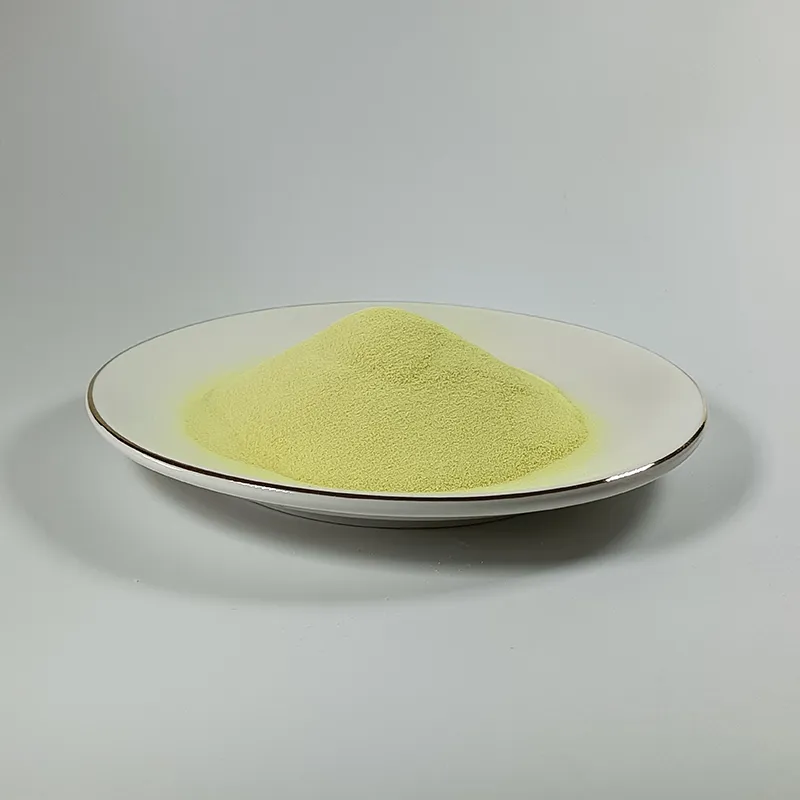
Optical Brightener BBU
Product Name: Optical Brightener BBU / Fluorescent Brightener 220 Chemical Name: Tetrasodium 4,4′-bis[(4-anilino-6-morpholino-1,3,5-triazin-2-yl)amino]stilbene-2,2′-disulfonate Color Index: C.I. 220 CAS: 16470-24-9 Molecular Formula: C₄₀H₄₀N₁₂Na₄O₁₆S₄ Formula Weight: 1165.04 g/mol Synonyms: Fluorescent Brightener 220; FBA 220; Optical Brightening Agent BBU; Blankophor BBU; Leucophor U; C.I. 220; Phorwhite BBU Application: Textiles (Cotton, Viscose, Linen, Polyamide), Paper Manufacturing (Pulp, Coating, Surface Sizing), Detergents, Printing (Discharge Printing Paste)
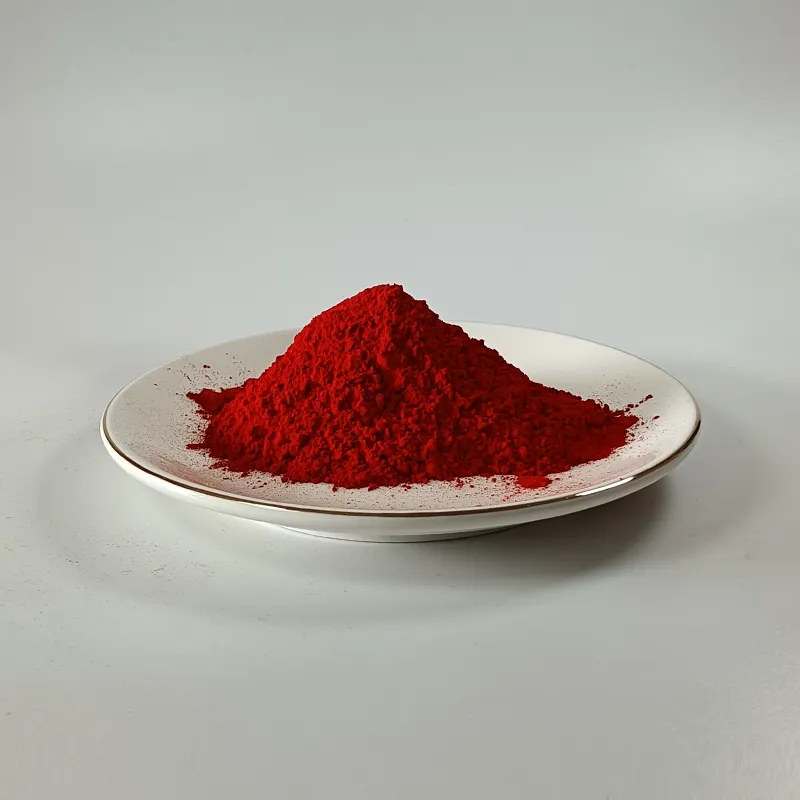
Pigment red 48-1
Product Name: Pigment Red 48:1 (P.R. 48:1) Chemical Name: Barium 4-[(5-chloro-4-methyl-2-sulphonatophenyl)azo]-3-hydroxy-2-naphthoate Color Index: C.I. 15865:1 CAS: 7585-41-3 (High-Purity Industrial Grade) – Innovatively optimized with advanced diazotization, coupling and barium salinization technology, featuring a unique vivid yellowish red hue, exceptional migration resistance, and superior heat stability, tailored for high-end plastic coloring, printing inks, rubber products, and industrial coatings. Molecular formula: C18H11BaClN2O6S Formula Weight: 556.1347 g/mol – Unique azo-based barium salt lake structure enhances migration resistance, heat stability, and color fastness, outperforming Pigment Red 48-1 (calcium salt) in high-temperature processing and anti-bleeding performance, leveraging the barium salt structure to improve formulation compatibility and long-term durability. Synonyms: Pigment Red 48:1; P.R. 48:1; Light Fast Scarlet BBN-Ba; Barium Lake Red Pigment; Vivid Yellowish Red Pigment; High-Migration-Resistant Red Pigment; Heat-Stable Red Pigment Application: High-end plastic coloring (PVC, PE, PP, ABS, PVC artificial leather), solvent-based printing inks (tobacco labels, wine labels, packaging), rubber products (latex gloves, rubber seals), industrial paints, and stationery coloring, compatible with plastic melt, solvent-based, and partial aqueous formulation systems.
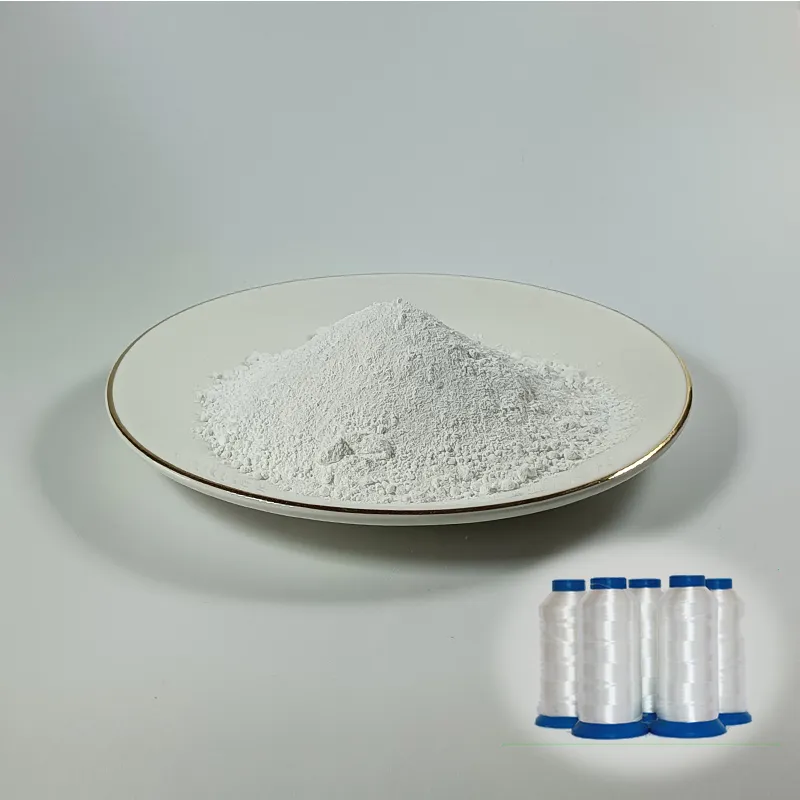
Fiber Grade Titanium Dioxide AMA93
Product Name: Fiber Grade Titanium Dioxide AMA93&AMA95 C.I.: 257-372-4 CAS: 13463-67-7 purity:≥98% Appearance:White powder Molucular Formula:TIO2 Formula Weight: 79.8658 Synonyms:AMA95 TIO2 / Fiber Grade titanium dioxide / Fiber Grade Titanium Dioxide AMA93&AMA95 Application: Fiber Grade Titanium Dioxide AMA93 & AMA95 are specially used as matting and whitening agents in various chemical fibers, especially polyester fiber( polyester staple fiber and POY DTY products ).
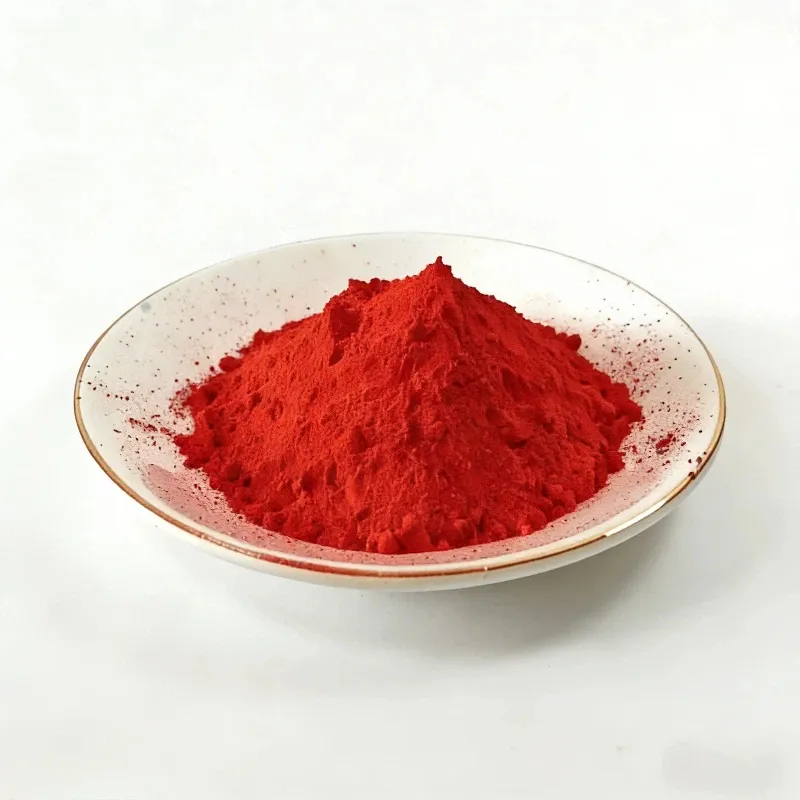
Pigment red 254
Product Name: Pigment Red 254 (P.R. 254) Chemical Name: 3,6-BIS(4-CHLOROPHENYL)-2,5-DIHYDRO-PYRROLO[3,4-C]PYRROLE-1,4-DIONE Color Index: C.I. 56110 CAS: 84632-65-5 (High-Purity Industrial Grade) – Innovatively upgraded with advanced quinacridone modification technology, ensuring superior color vividness, lightfastness, and dispersion performance for high-end applications. Molecular formula: C18H10Cl2N2O2 Formula Weight: 357.19 g/mol – Unique quinacridone core structure enhances color saturation and thermal stability, outperforming conventional red organic pigments. Synonyms: Pigment Red 254; P.R. 254; Quinacridone Red 254; C.I. Pigment Red 56110; Permanent Red 254; High-Vivid Red Pigment; High-Lightfastness Organic Pigment; Eco-Friendly Red Pigment Application: High-end printing inks, automotive coatings, engineering plastics, food-contact packaging, textile printing, and decorative colorants, compatible with solvent-based, aqueous, and plastic melt formulations.
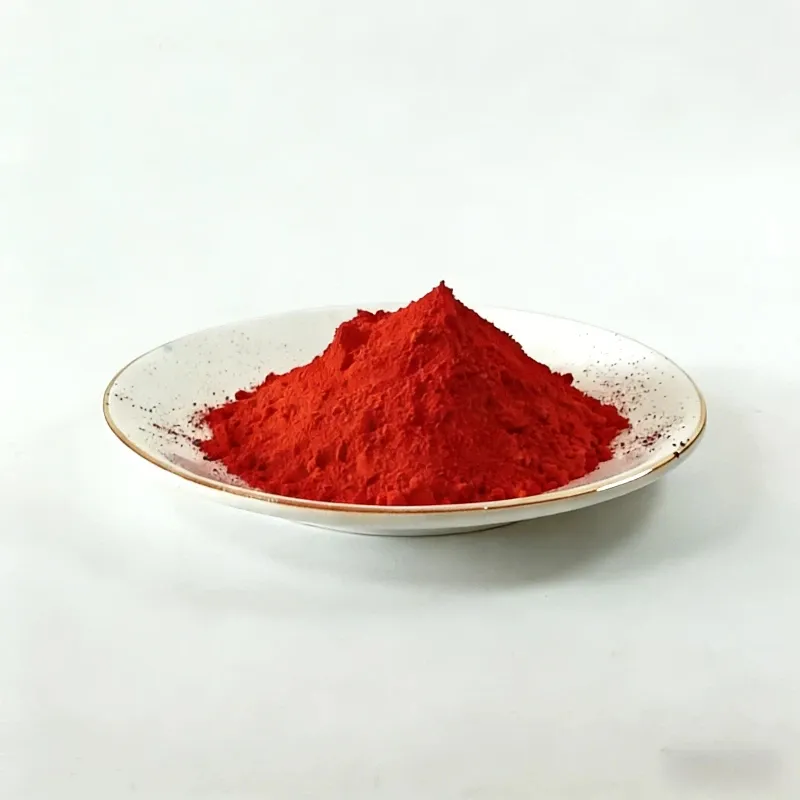
Pigment orange 34
Product Name: Pigment Orange 34 (P.O. 34) Chemical Name: 4,4′-((3,3′-Dichloro(1,1′-biphenyl)-4,4′-diyl)bis(azo))bis(2,4-dihydro-5-methyl-2-(p-tolyl)-3H-pyrazol-3-one) Color Index: C.I. 21115 CAS: 15793-73-4 (High-Purity Industrial Grade) – Innovatively optimized with advanced azo coupling and crystal refinement technology, featuring a unique bright orange hue with subtle red undertones, exceptional color saturation, and superior dispersion performance, tailored for high-end industrial applications. Molecular formula: C34H28CL2N8O2 Formula Weight: 651.555 g/mol – Unique naphthol-based molecular structure with nitro groups enhances color vividness and thermal stability, outperforming conventional orange organic pigments in tinting power and compatibility. Synonyms: Pigment Orange 34; P.O. 34; Naphthol Orange 34; C.I. Pigment Orange 12760; Permanent Orange 34; Bright Red-Undertone Orange Pigment; High-Saturation Orange Pigment; Eco-Friendly Organic Orange Pigment Application: High-end solvent-based/aqueous printing inks, automotive coatings, engineering plastics, textile printing, decorative colorants, and plastic packaging, compatible with diverse formulation systems and high-speed processing.
Ultraviolet absorber 531
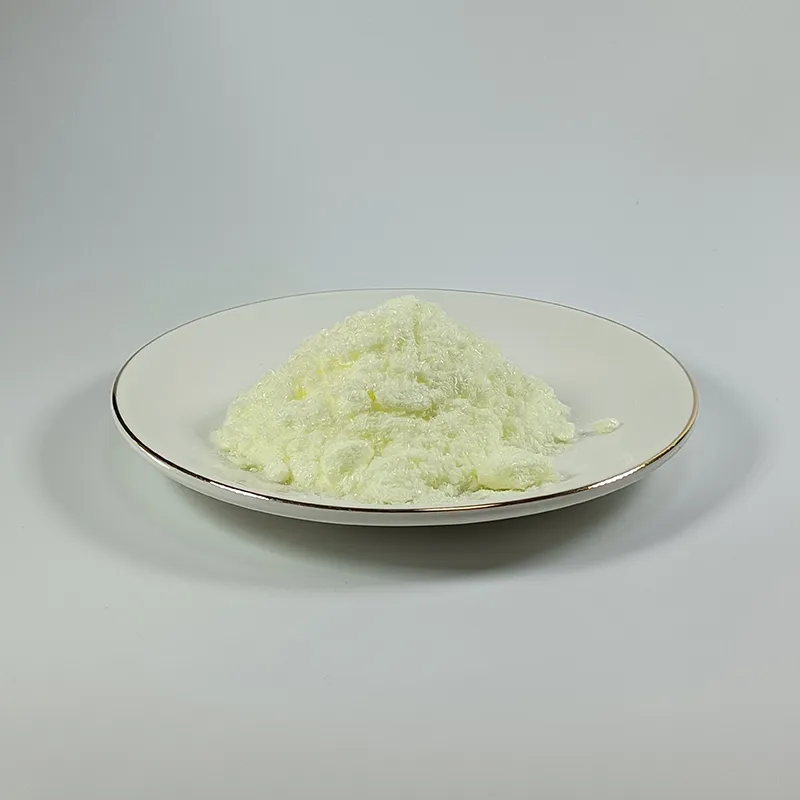
Product Name: ultraviolet absorber 531 C.I.: 40425 CAS: 1843-05-6 Ionic type:nonionic Appearance: Slightly yellow powder Ingredient: Benzotriazoles Molucular Formula: C21H26O3 Formula Weight: 326.43 Synonyms: UV-531, 2-hydroxy-4-octoxy-benzophenone, UV absorber 531, ultraviolet absorber 531, BENZOPHENONE-12, CAS 1843-05-6 Application: It is mainly used as UV absorber for paints, coatings, polyurethane, rubber, plastics and so on,especially recommended in PE, PP, PVC etc..
Optical Brightener ER-I
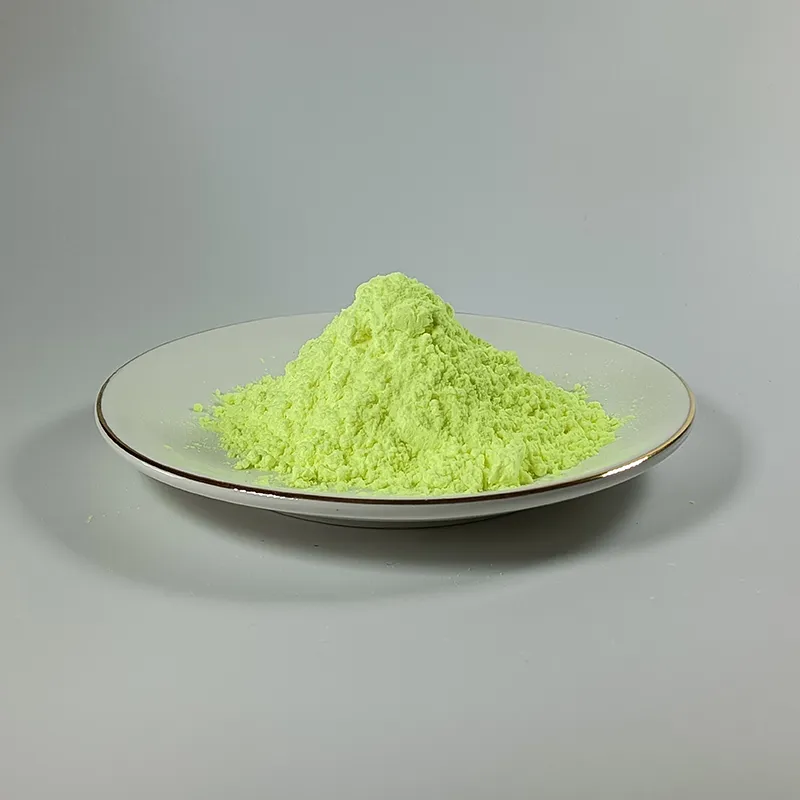
Product Name: Optical Brightener ER-I / Fluorescent Brightener 199 Chemical Name: 4,4′-(1,4-Phenylenebis(ethene-2,1-diyl))dibenzonitrile / 1,4-Bis(4-cyanostyryl)benzene Color Index: C.I. 199 CAS: 13001-39-3 Molecular Formula: C₂₄H₁₆N₂ Formula Weight: 332.40 g/mol Synonyms: Fluorescent Brightener 199; FBA 199; Optical Brightening Agent ER-I; 1,4-Bis(4-cyanostyryl)benzene; 4,4′-(1,4-Phenylenediethene-2,1-diyl)dibenzonitrile; Blankophor ER; C.I. 199 Application: Polyester Fibers (PET), Polyamide Fibers (Nylon), Acetate Fibers, Textile Blends (Polyester-Cotton, Polyester-Wool), Plastics (PE, PP, PVC), Coatings & Paints, Injection Molding, Extrusion Molding
Optical Brightener OB
Product Name: Optical Brightener OB / Fluorescent Brightener 184 Chemical Name: 2,5-Bis(5-tert-butyl-2-benzoxazolyl)thiophene Color Index: C.I. 184 CAS: 7128-64-5 Molecular Formula: C₂₆H₂₆N₂O₂S Formula Weight: 430.56 g/mol Synonyms: Fluorescent Brightener 184; FBA 184; Optical Brightening Agent OB; OB Brightener; 2,2′-(2,5-Thiophenediyl)bis[5-tert-butylbenzoxazole]; Fluorescent Whitening Agent OB; UVITEX OB Application: Plastics (PVC, PE, PP, PS, ABS, PMMA, POM, HIPS), Engineering Plastics, Synthetic Fibers (Polyester, Nylon, Polypropylene), Paints & Coatings, Printing Inks, Lacquers, Photography Paper, Anti-Counterfeiting Applications
Solvent Green 3
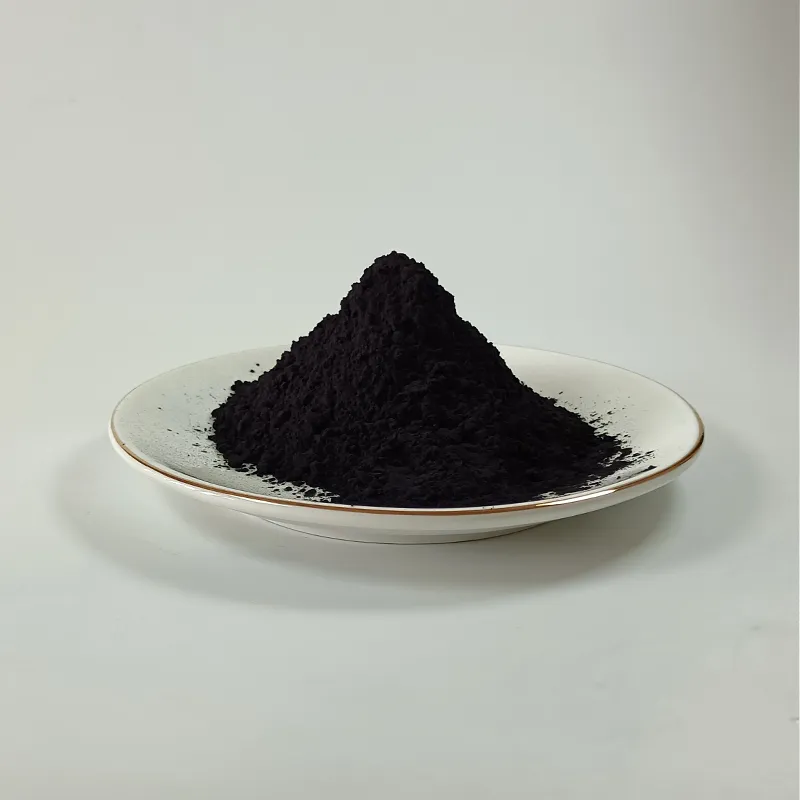
Product Name: Solvent Green 3 / D&C Green No. 6 / C.I. 61565 Chemical Name: 1,4-Bis(p-tolylamino)anthraquinone / 1,4-Bis((4-methylphenyl)amino)anthracene-9,10-dione Color Index: C.I. 61565 CAS: 128-80-3 Molecular Formula: C28H22N2O2 Formula Weight: 418.49 – 418.5 g/mol Synonyms: Quinizarin Green SS; D&C Green No. 6; Oil Green G; 1,4-Di-p-toluidinoanthraquinone; C.I. 61565; Solvent Green 3; Transparent Green 5B Application: Engineering Plastics (PS, ABS, PC, PMMA, SAN, AS, RPVC), Polyester Fibers, Cosmetics (Nail Polish, Hair Dyes, Lipsticks, Eye Makeup), Medical Devices (Surgical Sutures, Contact Lenses), Paints & Coatings, Printing Inks, Wood Stains, Waxes & Polishes, Colored Smoke Formulations
Optical Brightener CXT
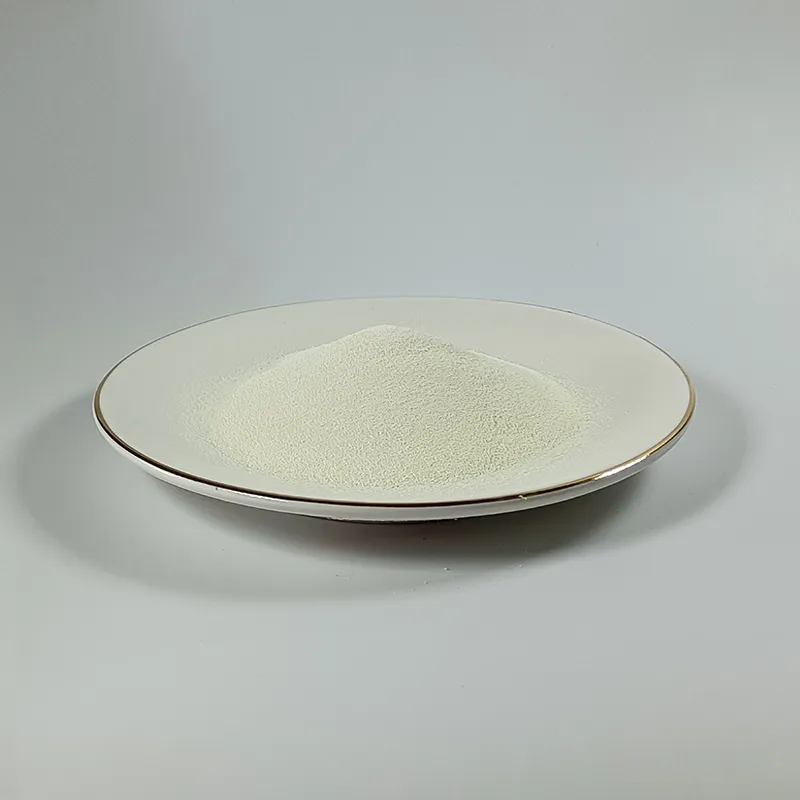
Product Name: Optical Brightener CXT / Fluorescent Brightener 71 Chemical Name: Disodium 4,4′-bis[(4-anilino-6-morpholino-1,3,5-triazin-2-yl)amino]stilbene-2,2′-disulfonate Color Index: C.I. 71 CAS: 16090-02-1 Molecular Formula: C₄₀H₃₈N₁₂Na₂O₈S₂ Formula Weight: 924.93 g/mol Synonyms: Fluorescent Brightener 71; FBA 71; Optical Brightening Agent CXT; C.I. 71; Tinopal CXT; Whitening Agent CXT; Stilbene-based Fluorescent Brightener Application: Laundry Detergents (Powders, Concentrates), Soaps & Soap Bars, Textile Processing (Cotton, Nylon, Polyamide, Vinylon, Wool), Paper Manufacturing, Bleaching & Dyeing Auxiliaries
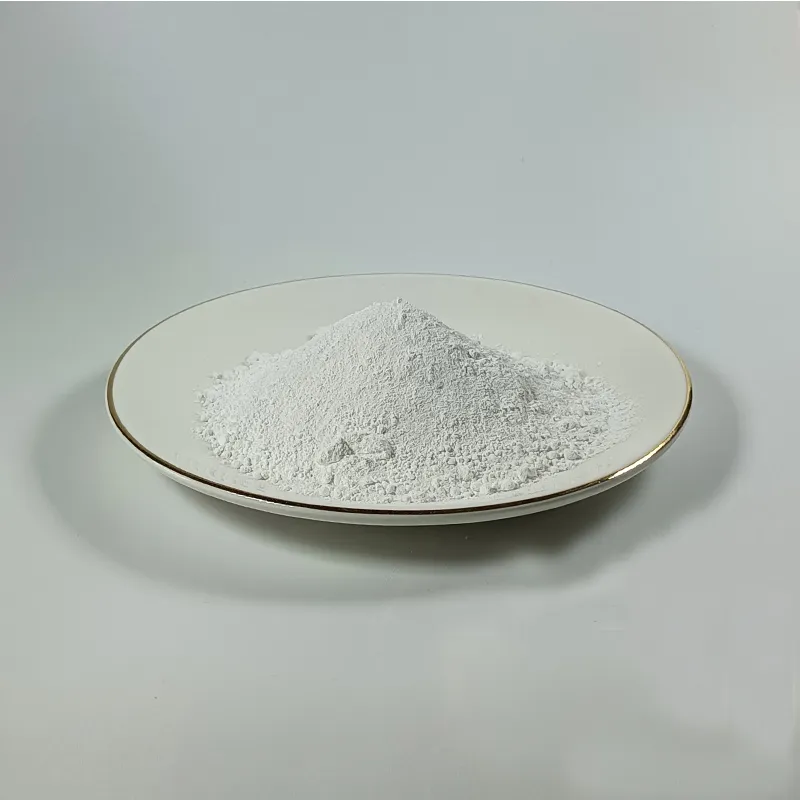
Rutile Titanium Dioxide
Product Name: Plastic Rutile Titanium Dioxide C.I.: 257-372-4 CAS: 13463-67-7 purity:≥98% Appearance:White powder Molucular Formula:TIO2 Formula Weight: 79.8658 Synonyms:Rutile TIO2 / Plastic Rutile Titanium Dioxide / Rutile Titanium Dioxide Application: Titanium dioxide is used in almost all thermosetting and thermoplastic plastics, such as PO (mainly PE), PS, ABS, PVC, PET and so on.
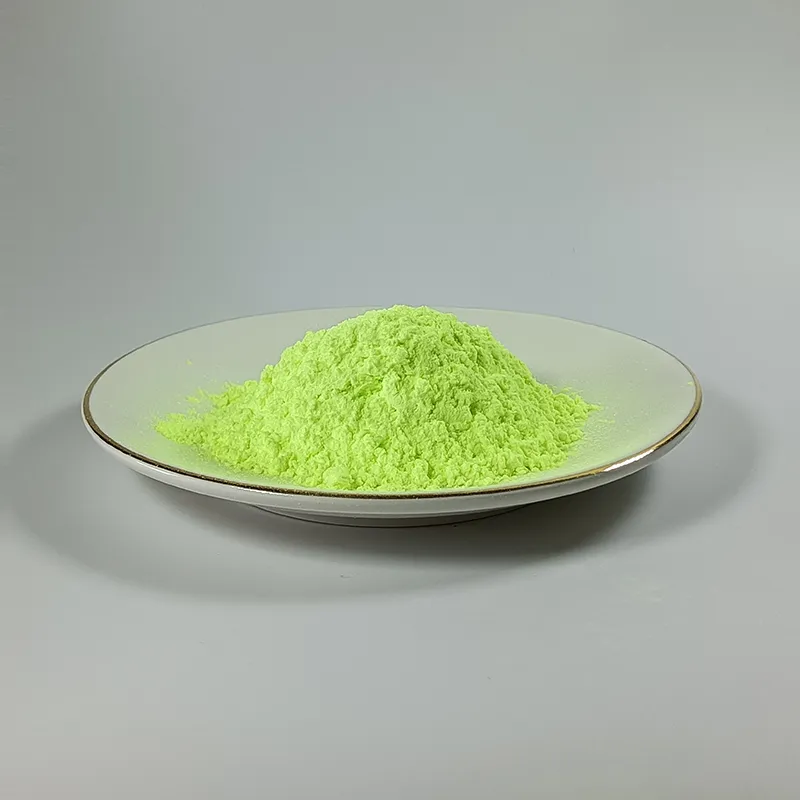
Optical Brightener KCB
Product Name: Optical Brightener KCB / Fluorescent Brightener 367 Chemical Name: 2,2′-(1,4-Naphthalenediyl)bisbenzoxazole;1,4-Bis(benzoxazolyl-2-yl)naphthalene Color Index: C.I. 367 CAS: 5089-22-5 Molecular Formula: C₂₄H₁₄N₂O₂ Formula Weight: 362.38 g/mol Synonyms: Fluorescent Brightener 367; Fluorescent Whitening Agent KCB; 1,4-Bis(2-benzoxazolyl)naphthalene; FBA 367; 4,4-Bis(benzoxazolyl-2-yl)naphthalene; C.I. 367 Application: Plastics (PVC, PE, PP, PS, ABS, EVA, TPU, TPR), EVA Foam (Sports Shoes, Slippers), Rubber Products, Synthetic Fibers (Polyester, Polyamide), Paints & Coatings, Printing Inks, Injection Molding Materials, Extrusion Molding Materials, Plastic Films
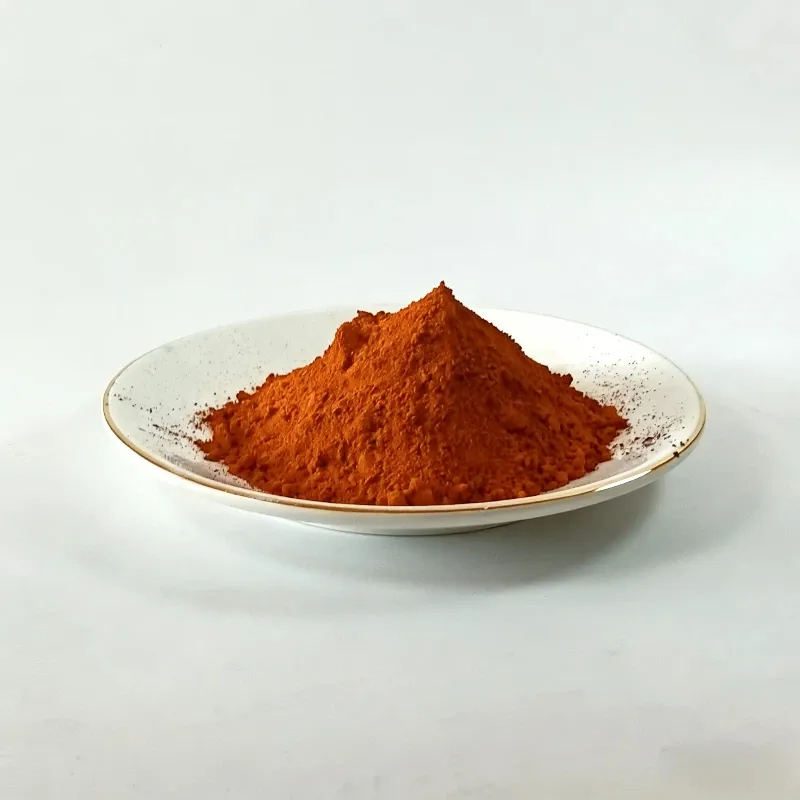
Pigment orange 13
Product Name: Pigment Orange 13 (P.O. 13) Chemical Name: 4,4′-[(3,3′-DICHLORO[1,1′-BIPHENYL]-4,4′-DIYL)BIS(AZO)]BIS[2,4-DIHYDRO-5-METHYL-2-PHENYL-3H-PYRAZOL-3-ONE] Color Index: C.I. 21110 CAS: 3520-72-7 (High-Purity Industrial Grade) – Innovatively optimized with advanced crystal modification and azo coupling technology, featuring a unique warm orange hue with subtle yellow undertones, exceptional color vividness, and superior dispersion, tailored for high-end industrial applications. Molecular formula: C32H24Cl2N8O2 Formula Weight: 623.49 g/mol – Unique naphthol-based molecular structure with dimethoxy groups enhances color saturation, solvent resistance, and thermal stability, outperforming conventional orange organic pigments in compatibility and long-term reliability. Synonyms: Pigment Orange 13; P.O. 13; Naphthol Orange 13; C.I. Pigment Orange 12765; Permanent Orange 13; Warm Yellow-Undertone Orange Pigment; High-Vivid Orange Pigment; Eco-Safe Organic Orange Pigment Application: High-end solvent-based/aqueous printing inks, automotive coatings & touch-up paints, engineering plastics, textile printing, decorative colorants, and plastic packaging, compatible with diverse formulation systems and high-speed processing.
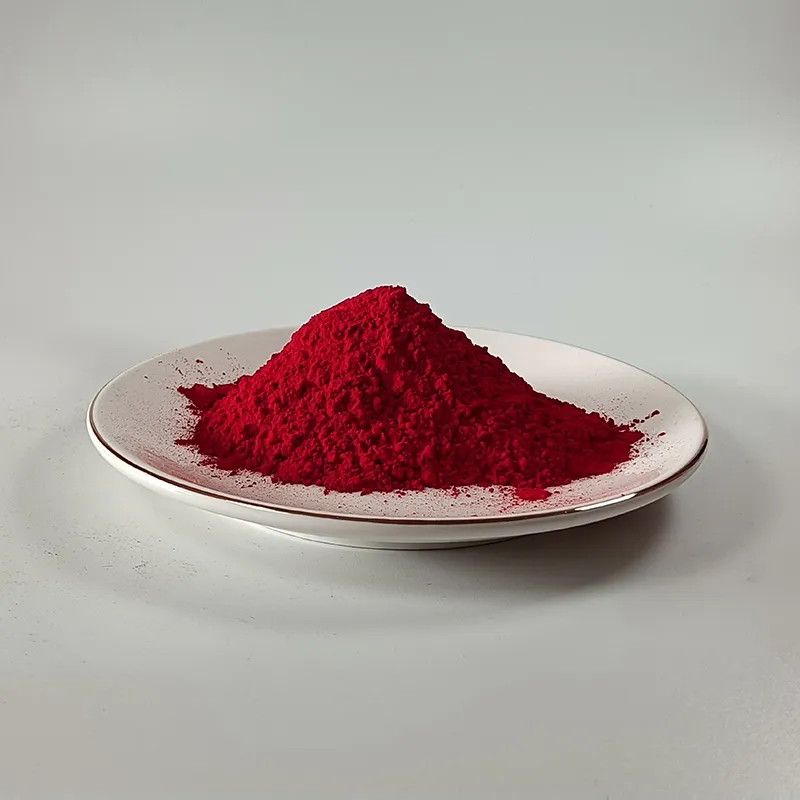
Pigment red 48-3
Product Name: Pigment Red 48:3 (P.R. 48:3) Chemical Name: Strontium 4-[(5-chloro-4-methyl-2-sulphonatophenyl)azo]-3-hydroxy-2-naphthoate (1:1) Color Index: C.I. 15865:3 CAS: 15782-05-5 (High-Purity Industrial Grade) – Optimized with advanced diazotization, coupling and precision strontium salinization technology, featuring a unique blue-tinged red hue, superior light fastness (Grade 6), and the best migration resistance in soft PVC, tailored for plastic coloring (especially soft PVC), printing inks, rubber products, and industrial coatings, compliant with food packaging material additive standards. Molecular formula: C18H11ClN2O6SSr Formula Weight: 506.4288 g/mol – Unique azo-based strontium salt lake structure differentiates it from Pigment Red 48:1 (barium salt) and 48:2 (strontium salt variant); it is bluer than 48:1 and 48:4, yellower than 48:2, with higher light fastness (Grade 6) and optimal migration resistance in soft PVC, making it the first choice for high-end plastic coloring. Synonyms: Pigment Red 48:3; P.R. 48:3; Light Fast Scarlet BBS; Permanent Red 2BS; Strontium Lake Red Pigment; Blue-Tinged Red Pigment; High-Lightfastness Red Pigment; PVC Migration-Resistant Pigment Application: High-end plastic coloring (especially soft/hard PVC, LDPE, PS, PUR, PP), solvent-based printing inks (packaging, labels), rubber products, industrial paints, and stationery, applicable to food packaging materials with strict safety requirements.
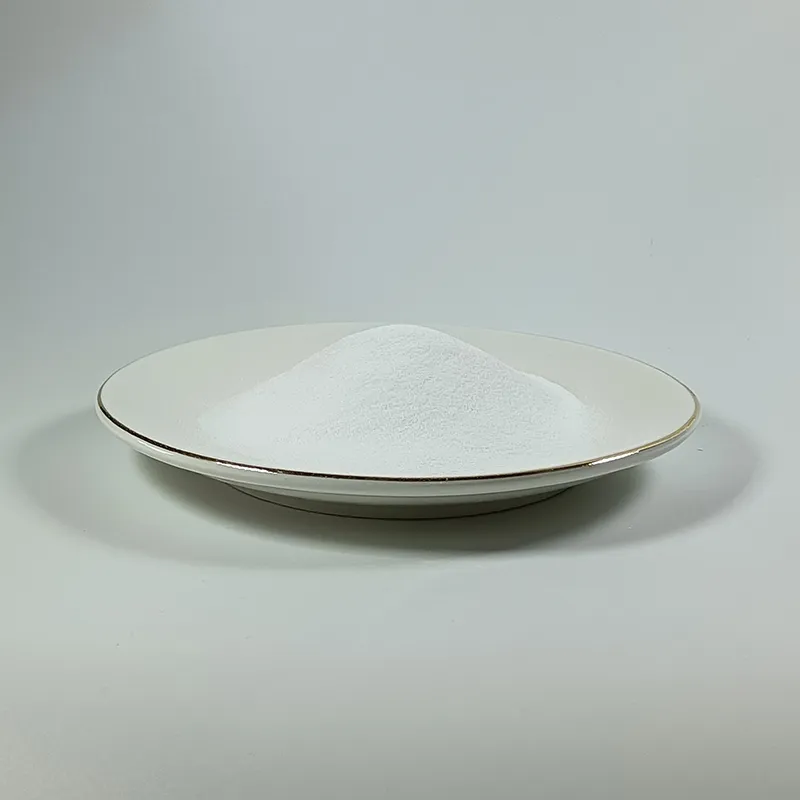
Sodium Lauryl Sulfate
Product Name: SODIUM LAURYL SULFATE POWDER C.L.:920-535-1 CAS: 9004-82-4 Ionic type:anionic Appearance: White to slightly yellow crystalline powder Ingredient: sulfate salt Molucular Formula:C12H25NaO4S Formula Weight: 288.38 Synonyms: Sodium dodecyl sulfate, sodium lauryl sulfate, Sodium lauryl ether sulfate, Sodium Lauryl Polyoxyethylene Ether Sulfate, Sodium laureth sulfate Application: It is widely used in toothpaste, shampoo, shampoo paste, shampoo, washing powder, liquid washing, cosmetics and plastic demoulding, lubrication and pharmaceutical, paper making, building materials, chemical and other industries.
Pigment yellow 74
Product Name: Pigment Yellow 74 (P.Y. 74) Chemical Name: 2-[(2-methoxy-4-nitrophenyl)azo]-N-(2-methoxyphenyl)-3-oxobutanamide Color Index: C.I. 11741 CAS: 6358-31-2 (High-Purity Industrial Grade) – Innovatively optimized with precision monoazo synthesis technology, presenting a warm, bright golden yellow hue with subtle orange undertones, featuring excellent light fastness (Grade 6) and good chemical stability, outperforming traditional low-grade yellow pigments in color uniformity, dispersion, and adaptability for multi-industry applications. Molecular formula: C18H18N4O6 Formula Weight: 386.36 g/mol – Unique monoazo organic structure, distinct from disazo (P.Y. 12) and quinacridone (P.V. 23, P.R. 122) pigments, balancing bright color, processing adaptability, and cost-efficiency, providing reliable, versatile yellow coloring solutions for industrial and commercial manufacturers. Synonyms: Pigment Yellow 74; P.Y. 74; Monoazo Yellow Pigment; Golden Yellow Pigment; Fast Yellow 74; Permanent Yellow 74; High-Purity Yellow Pigment; Industrial Golden Yellow Pigment Application: Widely applied in water-based/solvent-based printing inks, industrial coatings, plastic coloring (PVC, PP, PE), textile printing, stationery, and wood coatings, suitable for products requiring warm golden yellow color, good fastness, and wide formulation compatibility, adaptable to both water and solvent systems.